
- COMMERCIAL GARAGE DOOR REPAIR
- GARAGE DOOR OPENER INSTALLATION
- GARAGE DOOR SPRING REPAIR
- SAME-DAY GARAGE DOOR REPAIR
- CUSTOM GARAGE DOOR
- GARAGE DOOR OPENER REPAIR
- GARAGE DOOR TRACK REPAIR
- GARAGE DOOR CABLE REPAIR
- GARAGE DOOR PANEL REPAIR
- LOCAL GARAGE DOOR REPAIR
- GARAGE DOOR REPLACEMENT
- NOISY GARAGE DOOR FIX
- GARAGE DOOR INSTALLATION
- GARAGE DOOR SECTION REPLACEMENT
- OVERHEAD GARAGE DOOR REPAIR
- GATE REPAIR
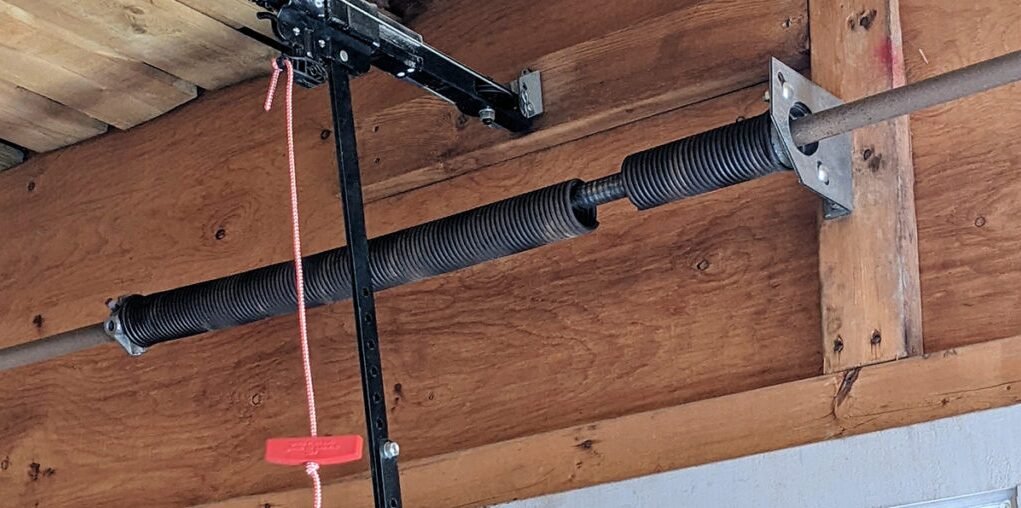
Why Cold Weather Causes a Broken Spring Crisis
Homeowners often wake up on the frostiest mornings of the year only to find their garage door refuses to budge. You hear a loud bang, similar to a gunshot, echoing through the garage—the unmistakable sound of a broken spring. While most people associate winter damage with burst pipes or dead car batteries, cold weather remains one of the primary catalysts for garage door failure.
At Sun City Center Florida Garage Door Repair, we see this phenomenon every season. Understanding the physics of how freezing temperatures interact with high-tension steel can help you prepare for the inevitable “spring crisis” that hits when the thermometer drops.
The Science of Steel and Sub-Zero Temperatures
Steel is the backbone of your garage door, but it is not invincible. Cold temperatures change the metal’s molecular structure, causing “cold brittleness.” In warmth, steel coils remain flexible and resilient. Extreme cold strips away this elasticity, making the metal rigid and unforgiving.
When you hit the remote during a cold snap, brittle steel must suddenly lift hundreds of pounds. The metal cannot distribute this stress evenly. Instead of flexing, the steel snaps at its weakest point. This sudden failure traps vehicles and leaves homeowners stranded.
The Impact of Metal Contraction
Physics dictates that materials contract in the cold, and garage door springs are no exception. As temperatures fall, the tightly wound coils attempt to shrink. Because they are fixed to a shaft or track, this contraction increases internal tension before the door even moves. The cold essentially “pre-loads” the spring with extra stress. If a spring is near the end of its 10,000-cycle lifespan, this thermal tension acts as the final straw.
Condensation and the Rust Factor
Cold weather often brings moisture from frost, ice, or humid air. When garage temperatures fluctuate, condensation forms on the metal surfaces. This moisture leads to surface rust. While it may look harmless, rust creates friction between moving coils. It also creates tiny pits in the steel called “stress risers.” These microscopic cracks provide a starting point for fractures. In winter, ice and oxidation work together to destroy the system’s structural integrity.
Proactive Steps to Avoid a Winter Standstill
You don’t have to wait for a snap to take action. Regular lubrication with a silicone-based spray creates a protective barrier against moisture. This reduces the friction caused by constant heat cycles. However, if you are stuck on a freezing morning with a door that won’t lift, you need professional help. Attempting to manually lift a heavy door with a fractured mechanism can cause severe back injuries or destroy your opener.
Don’t let a broken spring ruin your winter schedule or leave your home vulnerable. Our team at Sun City Center Florida Garage Door Repair understands how temperature swings impact your hardware. We provide the rapid, reliable service you need to get your day back on track.